Motion that Heals: Installed Procedure for Somatic Policy
Some people pertain to the barn wanting to ride. Others get here since they can not sit through a day at school, or their chest feels tight by 8 a.m., or the globe seems like it is yelling. When they turn a leg over a quiet, steady horse and the walk begins, their breath modifications. Shoulders drop. The body listens to a rhythm older than language. This is where mounted sessions for somatic policy live, in the basic and profound conversation in between a human nerve system and a relocating horse.
What we indicate by somatic guideline on horseback
Somatic regulation describes how the body calibrates itself back toward steadier states. It is not a trick of the mind. It is the way joints line up when the pelvis follows a moving stride, the way the diaphragm maximizes when the upper body fluctuates in time with a stroll. On a horse, that input is continuous, three dimensional, and mercifully nonverbal. You do not need to clarify your morning. The horse lugs you, and your body learns.
Mounted work rests within a broad area referred to as equine-assisted solutions. Programs utilize different terms depending on their range and qualifications. Therapeutic horsemanship typically describes installed and unmounted abilities shown by instructors with specialized training in disability support. Some facilities run an autism equine learning program focused on communication and sensory pacing. Others turn toward equine-facilitated wellness or equine-assisted coaching, which can include management growth, connection skills, or anxiety assistance with steeds for teenagers and grownups. Not every center does everything, and not everyone must be placed right now. What they share is a belief in experiential learning with steeds as a course to nerve system health.
Why movement matters greater than talk when the body is overloaded
I have actually coached people who could recite relaxing rules without transforming their heart price. Their necks still supported. Their jaws still clicked. Nerves respond best to input that really feels risk-free, rhythmic, and predictable. A horse's stroll, at a relaxed rate, supplies numerous micro adjustments per min to the motorcyclist's hips, back, and shoulders. If you have viewed a child being rocked to rest, you have actually seen the exact same concept at work.
There is likewise heat. Horses are huge pets with solid flow, and riders feel that via the saddle. For somebody who runs cold when nervous or shut down, that steady warmth can be grounding. The perspective shift aids too. A kid scanning every corner of a class for threats sees the world in a different way from the rear of a steed. Height adjustments vantage, and vantage changes stories.
Somatic recovery with steeds is not mystical. It is timing, call, equilibrium, and trust fund, duplicated sufficient times that the body starts to anticipate ease.
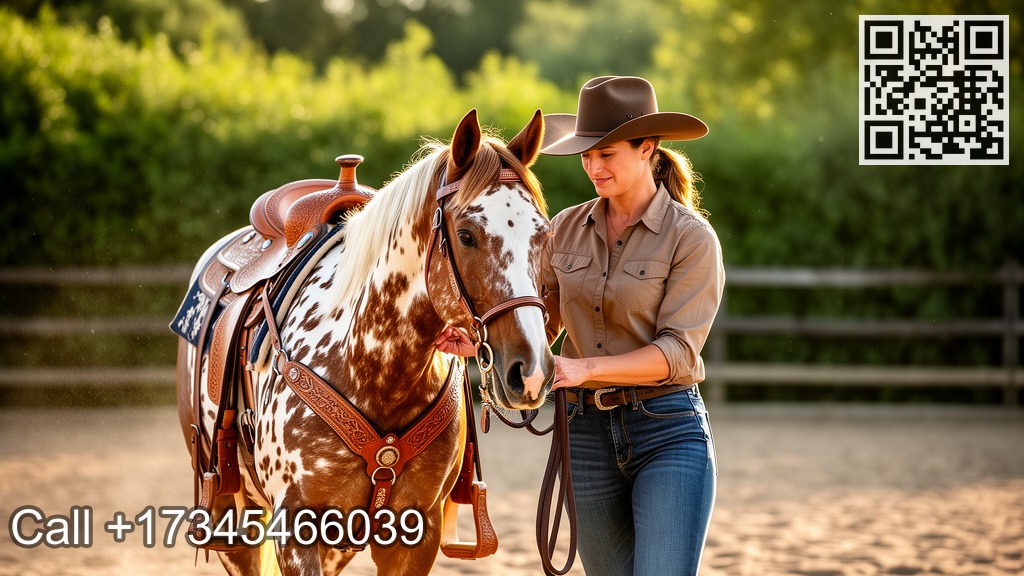
The equine as co‑regulator, not a tool
The best equines for this work were not birthed with unique halos. They are consistent, curious, and sincere. They also have clear limits. A horse that endures whatever without opinion is not safe over the long run. A really therapeutic partner reviews human beings promptly and provides legible feedback. If a rider tenses, the steed slows down or moves an ear back, and when the biker takes a breath, the steed softens in return. That loop, frequently called co‑regulation, is the whole point.
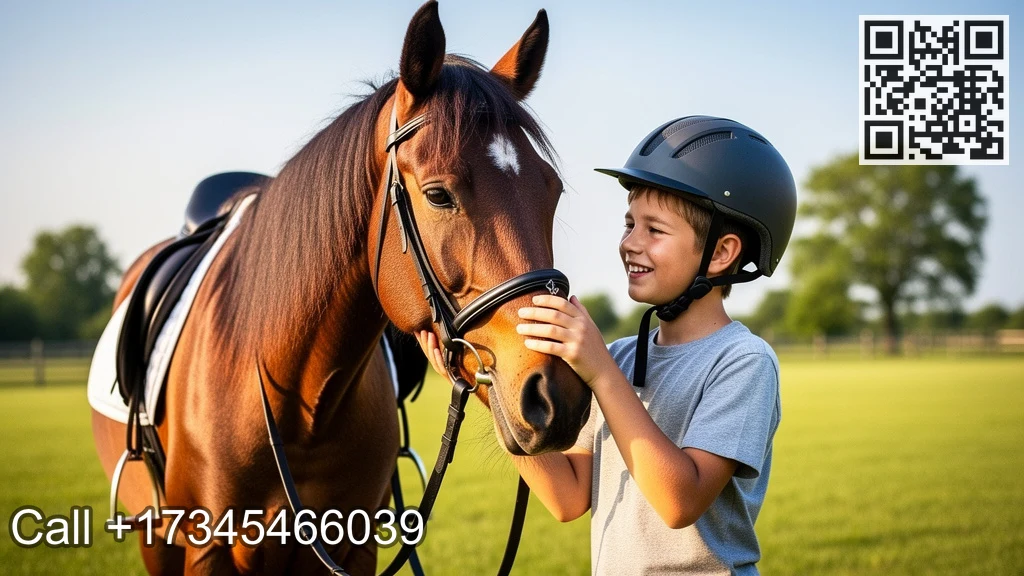
In technique, we set a horse and human up for success. Terrain is picked for footing and circulation. The tack fits both horse and motorcyclist. A teacher or specialist screens mini signs: a flicking tail can indicate flies or stress, a dropped ribcage on the biker's side can recommend fatigue, and a hand slipping towards the hair could suggest the individual is looking for contact. Tiny adjustments, like lengthening the reins by an opening or changing brace length by half an inch, can make a nerve system say yes.
Who tends to benefit, and where mounted job shines
Mounted sessions aid kids and adults who require structured, balanced input to find policy. This includes many people with ADHD, sensory handling differences, stress and anxiety, clinical depression, stressful stress histories, and learning difficulties. ADHD equine discovering assistance utilizes riding patterns to exercise initiation, sequencing, and inhibition. For example, a figure at the walk, called out by the cyclist, workouts functioning memory and motor preparation without the work of a worksheet.
In an autism equine discovering program, installed time may follow a duration of brushing or resulting in enable stimulation levels to go down. The goal is not to make eye contact on command yet to invite spontaneous social proposals. I have viewed nonverbal motorcyclists pat their equine's shoulder after dismounting, completely unprompted. It counted for greater than any type of forced hello.
People handling chronic discomfort in some cases report a competing experience during the trip that alleviates their regular pain cycle. Experts with hypervigilance learn they can stay sharp without staying supported. Parents have told me they see even more adaptability after a thirty minutes walk on a horse than after a day of talks. To be clear, installed work does not change treatment or psychiatric therapy. It matches them, commonly as component of equine-assisted tasks and broader equine-assisted services.
Safety, ethics, and actual constraints
If you remember absolutely nothing else, remember this: placed sessions only function when they are safe for the rider and kind for the horse. Weight limits differ based on the private horse, saddle, surface, and session duration. A typical standard is to keep the overall lots within a risk-free portion of the equine's ability, and a well‑run program will have clear plans. A barn with a solitary saintly gelding doing eight sessions a day is not lasting. Steeds require remainder, yield, great feet, and time to be horses.
Helmets are nonnegotiable. So is informed consent. Some riders need side walkers and a leader. Others ride individually. If an equine pins its ears every single time a certain exercise begins, we transform the exercise. If a participant's behavior jeopardizes the horse or crew, we stop and reset. There are also medical contraindications. Serious unchecked seizures, fragile bone problems, or current spinal combinations may dismiss placed work until a medical professional removes it. Hatreds hay or animal dander might push a family members towards outside sessions or unmounted alternatives.
The most honest groups speak freely concerning https://blogfreely.net/dubnosvsxc/neurodiversity-in-the-sector-autism-equine-knowing-program-highlights compromises. For instance, bareback pads can improve sensory input yet boost shear forces on a horse's back if made use of carelessly. A western saddle can offer safety for a new biker yet lower the possibility to feel refined pelvic movement. We pick based on goals, physique, and the steed we have in front of us.
What a mounted session in fact looks like
People often ask, what do you do up there besides go in circles? The response adjustments with everyone, yet specific patterns repeat because the body likes them.
Warm up typically indicates strolling on a lengthy rein to let the motorcyclist and steed settle right into each other's rhythm. I may request breath counts, like exhaling for the size of three fencing panels. We include directional changes: big loops that stretch the spinal column, superficial serpentines that call for mild lateral flexion via the motorcyclist's waistline. In some cases we quit entirely and really feel the sway of the horse breathing, just to reset.
Tasks follow. A rider who fights with sequencing, for instance, may be asked to call out gateway numbers as they pass or to touch left knee to right-hand man in time with a corner. A teenager with stress and anxiety might exercise extending and shortening stride with a cone line utilizing just breath and seat, with hands on a neck band for security. We hardly ever trot in very early sessions concentrated on guideline because the stroll currently gives a lot of input. Speed can hide issues. Sluggish job exposes them so we can construct actual capacity.
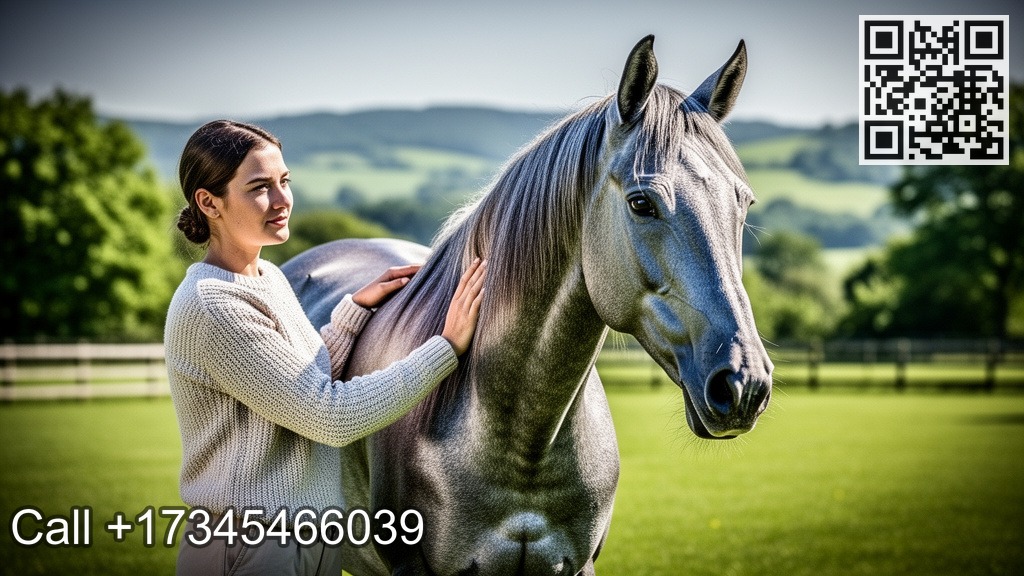
Cool down is not made complex. We let the stroll extend once again. Bikers glide their legs devoid of the stirrups. The system that got here in fight or flight typically goes home closer to rest and digest.
A quick preparedness checkpoint for mounted work
- Can the participant sit with midline security sufficient to protect their spinal column over a rolling gait?
- Is there a strategy, concurred by caregivers and experts, for clinical considerations like seizures or orthopedic history?
- Does the person tolerate a safety helmet and basic security gear for 30 to 45 minutes?
- Is the horse appropriate in size, personality, and training for this rider's needs?
- Are there enough skilled hands available that day if help on the ground is needed?
If the solution to any of these is no, we do not force it. We do groundwork, we develop count on, and we attempt installed once more later if it comes to be the right fit.
An instance story, two ways
T., age 9, came for stress and anxiety assistance with steeds. Morning changes were a fight. At the barn, T. Started on a kind mare named Lolly. The very first adventures were short, 15 mins of walking with a leader and one side pedestrian while T. Practiced naming what he really felt under each seat bone. When he forgot to take a breath, Lolly's walk got choppy. He noticed, giggled, and attempted once more. After 6 weeks, we included an easy pattern: walk to the red cone, stop, matter to three, transform right, breathe. The predictability mattered. T.'s educator reported he was enduring morning conference without leaving his chair by the end of the term. The steed did not heal stress and anxiety. The horse provided T. Enough guideline to make use of the coping strategies he currently knew.
M., age 32, sought training after burnout at work. She did not want therapy, she desired her self-confidence back. We chose a rangy gelding with a substantial, swinging walk. Her job was to ask for forward with her seat, not press with her heels, and to practice getting his power without tensing. That is leadership in a body. Over 4 months, M. Took those sessions right into her project conferences. She stated she stopped apologizing before each sentence. That is equine-facilitated training in straightforward terms. The installed work offered her an area to feel quality without debate.
What the research says, and where we ought to be cautious
Small researches have actually discovered signals worth taking note of in equine-assisted solutions. Some show decreases in self‑reported stress and anxiety after sessions. Others suggest renovations in balance and core toughness for certain diagnoses. A few heart rate variability research studies hint that individuals approach more parasympathetic tone throughout and after installed job, which tracks with what numerous trainers observe.
The proof base is still developing. Experience dimensions are usually little. Procedures vary extensively between programs classified with the same terms. Not every benefit lasts without continuous practice. It is ideal to be cautious regarding asserting remedies. It is also fair to listen to lived experience. When a teenager that has actually not slept via an evening in months naps in the backseat en route home from the barn, something took place worth noticing.
Choosing the best program for you or your child
Credentials inform part of the story. Look for trainers accredited in restorative horsemanship and programs that run within established security criteria. Ask exactly how they evaluate horses for temperament and soundness. Observe a session prior to devoting. The barn must feel like a discovering space, not a carnival ride.
Match the service to your objectives. If you want concrete ability exercise with executive function wrapped right into riding lessons, equine-assisted activities might fit. If your objectives are relational and emotional, seek equine-facilitated wellness or equine-assisted mentoring. Some centers incorporate licensed mental health and wellness specialists right into installed sessions. Others concentrate on ability structure with a solid policy part and refer out for therapy. Neither is right for every person. The very best indication is whether the team pays attention and adapts.
Be interested concerning logistics. The number of cyclists per steed each day. How much time the sessions run. Whether there is a plan for warmth, cool, or rain. Steeds and people do not discover well when everybody is rushed or miserable. Sensory settings matter too. Some barns hum with noise. Others keep the aisle silent throughout lessons. If you are looking for a Different treatment for sensory obstacles, those ecological choices matter.
What an initial consultation usually includes
Most centers begin with a conversation on the ground. We gather background: what assists and what injures, what institution or job has attempted, what the family members wants to see. Then we fulfill horses. If mounted work is ideal, we fit a headgear and attempt a brief experience. The first session is not the moment for accomplishments of balance. It is a time to find out a steed's rhythm and see how the body reacts as soon as feet touch the ground again.
Here is a straightforward circulation many programs use for a 45 to 60 minute mounted session focused on regulation:
- Arrival and check‑in, including a fast body check and goals stated in plain language.
- Grooming or leading for 10 to 15 minutes to clear up stimulation and construct rapport.
- Mounting with a ramp or block, safety helmet check, and a slow-moving stroll to discover rhythm.
- One or 2 concentrated patterns matched to the day's goals, kept short enough to succeed.
- Cool down, dismount, and a quick representation that catches one really felt feeling to take home.
The reflection item is small and powerful. A motorcyclist may claim, my shoulders dropped a little when we transformed left, or I really felt stable when I took a look at the trees. That anchors the experience for later.
Beyond treatment centers: learning and leadership on horseback
Mounted help regulation works outside clinical setups. Company teams sometimes try group structure with equines, and while much of that work is unmounted, I have occasionally mounted a reluctant leader for a 5 min stroll to feel what collaboration calls for. The equine will not move since you bring a title. He moves when your body is congruent.
For teenagers who roll their eyes at lectures, experiential learning with horses supplies fast feedback without pity. If you draw on the reins and press with your legs at the very same time, the horse is reluctant. Combined signals in, mixed results out. That lesson lands.
Equine-facilitated mentoring usually utilizes mounted workouts to check out limit setting, pacing, and follow‑through. A canter leave might not be on the agenda, yet requesting for a longer stroll without breaking down stance is. Management seldom appears like more rate. It resembles quality at a tolerable pace.
Practical suggestions for families and participants
Dress for the barn. Lengthy trousers lower scrubs. Closed‑toe shoes shield toes from a mistake. Layers allow you adapt because areas are windier than living areas. Consume a snack beforehand. Starving motorcyclists are fragile riders.
Build resistance in tiny increments. If a rider thaws down after 20 mins, prepare for 15 next time. Celebrate easy success. The very first time a kid loosens their hands and follows a steed's neck with their elbows is a larger accomplishment than basing on an equine like a circus act. Leave five mins for silent goodbyes to the horse. That ritual strengthens trust.
Expect plateaus. Bodies find out in stairway actions, not smooth curves. A week with huge progress occasionally causes a week that feels flat. Maintain the routine. The nerve system is developing capability even when it does not show.
Cost, gain access to, and making it sustainable
Prices vary widely by area, qualifications, and facility costs. Some facilities run as nonprofits and support adventures with fundraising. Others are exclusive pay. Moving scales exist, however waitlists can be actual. Insurance policy insurance coverage is irregular. It helps to ask whether a program can incorporate goals from a school plan or treatment strategy, which can sometimes open financing streams.
Horses are costly companions. Feed, farrier, veterinary care, and team training are not optional. If a facility's prices appear high, consider what it takes to do this right. Likewise consider your traveling time, since anxiety in the car can reverse gains from a trip. Households that drive 90 mins commonly gain from scheduling sessions in blocks or combining mounted work with telehealth assistance to sustain gains in between barn days.
When installed work is not the ideal fit
Not every circumstance asks for riding. Some individuals are frightened of elevation. Forcing the concern teaches the body that we neglect its knowledge. Others have clinical limitations that make ground work the ethical selection. I have had young adults who arrived bent on trotting and left proud of having actually learned to request for a soft halt from the ground. Policy is the goal, not a particular picture.
Medication changes can likewise tilt the picture. If a brand-new prescription impacts equilibrium or warm tolerance, we could stop briefly placed sessions and transition to leading or liberty job up until the body clears up. Good programs make these choices jointly with family members and healthcare providers.
How trainers make professional goals seem like play
The finest sessions appear like video games. That is deliberately. We may set out tinted posts and ask a motorcyclist to pick 2 for a path, then ride it breathing out with the turns. Underneath is a strategy: vestibular input, executive function practice, and rated direct exposure to moderate challenge. For a young rider conscious responsive input, we might use a fleece saddle cover and swap in smooth reins to decrease scratchiness. For a person who craves pressure, we could include a surcingle deal with to allow a stronger, safe grip.
We enjoy the little indications. A foot that starts to brace on the stirrup might indicate exhaustion or anxiety. A steed that starts to wander to the center might be caretaking a cyclist that is emotionally looking into. Names matter as well. I stay clear of informing a cyclist to unwind. I ask to obtain curious about what really feels heavy or light, and afterwards we adjust the pattern to match that curiosity.
Bringing mounted lessons home
Families frequently ask just how to carry the barn sensation right into every day life. We equate the experience right into cues the body understands in your home. If an equine's stroll assisted a child breathe deeper, we match bedtime analysis with a gentle shaking chair. If a teenager discovered solidity by concentrating on fence articles, we practice walking the dog in between uniformly spaced mail boxes while counting exhales. For grownups that located power in claiming more room in the saddle, we practice that shape prior to a meeting. Not claiming to ride, but remembering the position that permitted breath and clarity.
Teachers can assist as well. A kid that controls well after twelve noon trips might benefit from having much heavier academic jobs scheduled for afternoons, and movement breaks that mirror placed rhythm in the early morning. Not everybody has accessibility to a barn. Rhythm resides in lots of places.
Where the field is going
The language around equine-assisted solutions is advancing. Programs are getting clearer about scope, and partnerships with occupational therapists, psychological wellness therapists, and physicians are more typical. This is healthy and balanced. Mounted job belongs in a web of assistances, out an island. Anticipate to see even more information in the following five to 10 years, tighter program designs, and far better equity of accessibility as community partnerships grow.
At the exact same time, several of the knowledge below will not show up neatly in spread sheets. The way a biker's face modifications mid experience when they drop a pattern of securing, the means a steed licks and chews after a biker lastly finds a soft seat, these are the trademarks of actual knowing. They are why individuals keep coming back.
One last image from the barn
On a late autumn afternoon, I strolled close to a tiny child on a shaggy horse. He had actually been afraid of virtually every little thing in September. By November he sang to his horse, a silent song from institution, and the horse's ears flipped backward and forward as if maintaining time. We stopped at the far end of the ring where the wind was gentler. The young boy put one hand on his stubborn belly and stated, it is warm therein now. That was the session's only data factor. It was enough.
Mounted sessions for somatic regulation do something useful and human. They take the body seriously. They use the earliest modern technologies we have, breath and rhythm and connection, set to the stable beat of a steed's walk. Whether your course leads with restorative horsemanship, an autism equine learning program, equine-facilitated wellness, or equine-assisted training, the job is the same at heart. We find out to move with an additional being, and we keep in mind just how to move with ourselves.
Happy Hooves Wellness
9177 Gross Rd, Dexter, MI 48130
+17345466039
https://www.hhooves.com/